
The Missing LEGO Collection: How a Consignment Dispute Became a Legal and Public Battle
This will be a three-part blog series. The first part will analyze what Ben Schneider did in his YouTube video, covering his vigilante-style efforts and the various tactics he used to try to recover the LEGO collection. The second post will focus on Bricks & Minifigs’ response, while the final part will examine the legal accusations made by both sides and the broader allegations of police misconduct.
I decided to write this first part because I have not seen many articles that thoroughly explain what actually happened in the YouTube video. Most coverage focuses on the outcome rather than the events themselves. In my view, the video is a crucial part of the story and demonstrates how much effort has been invested in this case. This will be a lengthy post because the video series exceeds two hours and contains a significant number of developments, so bear with me.
The story begins with Ben Schneider, a YouTuber with more than one million subscribers. His content focuses on vigilante investigations, and he often acts in a private-investigator-like role. One of his previous projects involved exposing McKamey Manor. In his latest uploads, he investigates the alleged theft of a $200,000 LEGO collection belonging to collector Brian Mansell.
Bricks & Minifigs is widely regarded as one of the premier destinations for LEGO collectors. The company operates a large franchise network consisting of more than 300 stores across North America. Brian brought his collection to a local Bricks & Minifigs location, believing it would be the best place to sell his sets. The collection was placed on consignment, and both Brian and the store owner at the time signed an agreement. The contract specifically states that “consigned merchandise shall remain the property of Mansell until sold.” This clause becomes particularly important later in the story.
About a year later, the store owner, Chrystal, needed to sell the business after her husband accepted a job in another country. Fortunately, a buyer was interested in purchasing the location. However, on November 14, Brandon, the prospective buyer, arrived at the store and informed Chrystal that she needed to leave immediately. According to Chrystal, Bricks & Minifigs corporate leadership had terminated her franchise agreement and warned that the police would be called if she refused to leave.
Chrystal did not want to leave without conducting a final inventory of the store. Corporate representatives allegedly told her there was not enough time and insisted that she leave immediately. She continued to object, arguing that Brian had not yet been paid for the consigned sets, but was told that the matter would be handled after her departure.
She immediately contacted Brian, who then went to the store carrying a copy of his contract. He asked only to see the LEGO sets being stored in the back room because he wanted assurance that they had not been taken. In the video, Brian recounts what the new store owner told him:
“Crosses his arms and goes, ‘Let me tell you what’s gonna happen. If you go to court, we’re gonna drag this thing out so long, and you’re gonna end up spending more money than your collection is ever worth.’”
Following that interaction, Brian was understandably upset but had limited options. His father had recently dealt with serious health issues, and pursuing a lengthy legal battle would be financially difficult. Several YouTubers initially became involved, determined to help recover the collection. However, they soon backed away after Bricks & Minifigs allegedly threatened legal action. Many believed they could not realistically compete with the resources of a large corporation.
At that point, it appeared that Bricks & Minifigs would prevail simply because few people could afford to challenge them. It was under those circumstances that Reckless Ben became involved.
This marked the beginning of a long series of attempts to recover the collection. Ben’s first approach was straightforward: ask for the LEGO sets back. He and his team drove to the store and requested the return of the collection. According to the video, the manager immediately told him to leave, or she would call the police. There was no offer to review the contract or investigate the claim. Ben remained at the store, attempting to show documentation, including the consignment agreement and a spreadsheet detailing Brian’s collection. The manager continued to characterize his actions as harassment and repeatedly instructed him to leave.
Ben eventually spoke with the store owner, who acknowledged possessing the LEGO sets but questioned Ben’s legal claim to them. Shortly afterward, police officers arrived, and the first of many encounters featured in the video. Officers ultimately issued a trespass order against Ben, creating a new obstacle. If the collection was being stored inside the building, Ben argued, how could he retrieve it if he was prohibited from entering the property?
Ben’s next step was to approach corporate leadership directly. He eventually met with CEO Ammon McNeff, who denied the allegations and maintained that nothing improper had occurred. Up to this point, Ben’s approach had been relatively straightforward. He presented documentation, including the consignment agreement, and argued that the LEGO collection still belonged to Brian. When those efforts failed, however, he shifted to a far more aggressive strategy.
The first of these tactics was what Ben jokingly referred to as “brainwashing” the store’s employees. In reality, the goal was to convince someone inside the organization to view the situation from his perspective and provide information about what was happening behind the scenes. According to the video, the effort was successful. Ben’s team eventually obtained the store owner’s phone number and contacted him directly.
During that conversation, the owners outlined what appeared to be their central argument. Because they had not personally signed the original consignment agreement, they argued that they were not bound by its terms. From their perspective, when they purchased the store, the inventory inside it, including the disputed LEGO collection, became part of the acquisition. Since they had not agreed to the original consignment contract, they maintained that they had no obligation to honor it.
Ben challenged that reasoning during the call, but the discussion quickly became heated. The owner repeatedly told him that if he believed he had a valid claim, he should pursue it in court.
Following the conversation, Ben and his team regrouped and began considering a different approach. Rather than suing Bricks & Minifigs themselves, Ben decided he would try to encourage Bricks & Minifigs to sue him.
To accomplish this, he created a company called “We Steal From Old People.” He then used “Bricks & Minifigs” as the company’s tagline, arguing that the trademark protections covered the company name but not the tagline itself. The strategy was built around provoking a lawsuit. If Bricks & Minifigs sued him, Ben believed he would have an opportunity to bring the dispute into court without bearing the initial costs of litigation while simultaneously drawing attention to Brian’s situation.
Whether the strategy would have survived legal scrutiny is unclear. However, Ben took significant steps to make the effort appear legitimate. He obtained an Oregon business license for the company and structured it as a franchise operation. Friends were designated as franchise owners, allowing them to participate in the project independently.
The next phase involved placing signs and promotional materials for “We Steal From Old People” near the Bricks & Minifigs location. Ben argued that because franchisees operated independently, he could not necessarily be held responsible for every action they took. The result was a highly public campaign designed to draw attention to the dispute and pressure the store into responding.
At one point, Ben and his team even set up a table outside the store and attempted to direct customers toward their merchandise rather than into the business itself. Surprisingly, the effort generated considerable attention. Despite this, no lawsuit followed.
Ben returned to corporate leadership and again encouraged them to sue him. Once again, no legal action was taken.
At this stage, Ben faced a significant challenge. The dispute was fundamentally a civil matter. Because of that, police officers generally had little authority to intervene. Ben also believed that law enforcement officers were treating the store owners more favorably than they were treating him, a concern that would become more prominent later in the series.
As a result, Ben began searching for a way to transform the dispute from a civil issue into a criminal one.
During his earlier investigations into Scientology, Ben had formally registered a religion. One consequence of that status, according to Ben, was that it allowed him to conduct raffles without obtaining the permits that would ordinarily be required. Using that framework, he organized a raffle involving one of Brian’s LEGO sets.
The logic was straightforward. Because Brian still technically owned the set under the terms of the consignment agreement, the winner of the raffle would become entitled to receive it. If Bricks & Minifigs then refused to release the set, Ben believed the matter could potentially move beyond a civil dispute and become a criminal issue.
When police officers arrived in response to the situation, the outcome was not what Ben expected. According to the video, officers initially appeared receptive to his argument and even consulted with a detective. However, Ben claims that after one officer spoke privately with another, the tone of the interaction changed dramatically. Rather than supporting his position, officers began warning him about potential legal consequences if he continued pursuing the matter in that manner.
Although the raffle did not produce the intended legal outcome, it did lead to further communication with the store’s ownership. During one conversation, an owner remarked,
“Theft or not, who cares?”
The following day, Ben received another phone call. During that conversation, the owner again encouraged him to sue. However, the owner also reportedly acknowledged possessing the LEGO collection and expressed a willingness to return it.
If accurate, that statement appeared to contradict earlier claims that the store either did not possess the collection or had no responsibility for it. Nevertheless, Ben viewed the call as a breakthrough.
The offer, however, came with conditions.
According to Ben, the owner insisted that Brian issue a public apology and leave positive reviews for the store before any LEGO sets would be returned. Brian rejected the proposal. By this point, he had reportedly experienced significant anxiety and stress related to the dispute and felt he had nothing to apologize for.
Wanting to determine whether the offer was genuine, Ben created a deepfake video depicting Brian apologizing and sent it to the owners. Rather than resolving the issue, the request simply expanded. The owners allegedly demanded a second apology directed at another individual, Amanda, the manager who had originally interacted with Ben and his team.
During an earlier phone call, Ben says the owner agreed to temporarily suspend his trespass order so that he could deliver the apology in person. However, when Ben arrived at the store, police were once again called. Officers ultimately did not arrest him, but the promised resolution failed to materialize.
Over the following weeks, Ben continued contacting the owners in an effort to arrange the return of the collection. Each time, the process was delayed.
First, it was postponed until Monday. Then Tuesday. Then later in the week. Days became weeks, and weeks became months. Eventually, according to Ben, the owners stopped responding altogether.
After an extended period of silence, Ben finally received another answer. This time, the response was definitive: the collection would not be returned.
Believing the refusal stemmed from unresolved tensions with the store manager, Ben returned to the location. As expected, police were called. During the encounter, Ben revealed another unusual tactic.
He claimed that Amanda had previously signed a contract permitting him to enter the property and preventing the store from trespassing on him. Amanda disputed the authenticity of the document and denied signing it. The disagreement went nowhere, and Ben ultimately left before contacting owner Josh Johnson directly.
At that point, the story appeared to shift once again.
Josh now reportedly claimed that Brian’s LEGO collection had never been in the store at all and that the shelves had been empty. Ben argues that security footage from the day of the franchise takeover directly contradicts this account, showing items from Brian’s collection inside the store.
The discrepancy became one of the central disputes in the case. Earlier conversations had included acknowledgments that the collection existed and was being stored by the business. Now, according to Ben, the claim had changed to an outright denial that the collection was ever present.
With few options remaining, Ben finally turned to the legal system he had spent months trying to avoid.
His solution involved the small claims court. Because Oregon’s small claims system limits the amount an individual can seek, Ben developed a strategy to divide the claims among multiple parties. He purchased approximately $10,000 worth of LEGO sets from Brian and then demanded that those sets be returned. When the store allegedly failed to comply, Ben believed he had established a separate legal claim from Brian’s own.
He repeated the process with friends and supporters, creating what he described as multiple independent victims with separate claims. Each person then filed a small claims case against the store.
According to Ben, the defendants never responded to the lawsuits. As a result, default judgments were entered in favor of the plaintiffs.
Ben claims that shortly afterward, the store ceased operations. He argues that the closure was an attempt to avoid paying the judgments. The owners have not publicly accepted that characterization.
Regardless of the reason, the closure marked the end of this phase of the dispute and concluded the first chapter of a story that would continue to grow far more complicated in the months that followed.
Reckless Ben’s YouTube video Part 2
The second part of the story significantly raises the stakes. What begins as a frustrating dispute over a LEGO collection evolves into allegations of police misconduct, preferential treatment, and increasingly unusual interactions between Ben and local authorities.
Picking up where the first article ended, Ben’s next option was to sue the owners personally. He filed a lawsuit, but it was quickly dismissed because the court determined that a sufficient good-faith effort to resolve the dispute had not yet been made. Before making another attempt, Ben decided to visit Bricks & Minifigs’ corporate office and give the company one final opportunity to acknowledge what he believed was a mistake. That decision would soon prove significant because when he later traveled to Josh’s house, police officers were already waiting.
Rather than stopping at the house, Ben and his team wisely decided to keep driving. Even though they never stopped, police vehicles followed them. According to Ben, this marked the first major example of what he viewed as improper conduct by law enforcement.
Officers eventually pulled them over, claiming they had failed to make a complete stop at a stop sign. Ben disputes that explanation and points to footage that he believes shows the vehicle stopping fully. One article discussing traffic enforcement noted how easy it can be for officers to find a legal reason to initiate a stop. That raises an obvious question: if a legitimate reason existed, why rely on one that appears questionable? Regardless, the interaction quickly shifted away from the alleged traffic violation. Officers immediately asked who Ben was, leading him to conclude that they already knew he was in the vehicle and had specifically targeted him. Before long, he was issued another trespass warning and cautioned about future consequences.
Unable to reach Josh directly, Ben next turned his attention to Brandon Best, the other owner involved in the dispute. Brandon had reportedly blocked their phone numbers, leaving an in-person conversation as one of the few remaining options. Ben traveled to Brandon’s home, which resulted in what may have been one of the most awkward interactions in the entire series. Brandon largely stood silently while Ben attempted to start a conversation. Within minutes, police officers arrived.
According to Ben, the officers appeared to side with Brandon almost immediately and began defending his actions before hearing both perspectives. Once again, Ben was issued a trespass warning. He viewed the incident as further justification for pursuing personal legal action.
Meanwhile, Ben still had not succeeded in having what he considered a good-faith conversation with Josh. Looking for another avenue, he decided to approach Josh through his church. Both owners are members of the Church of Jesus Christ of Latter-day Saints, and Ben reached out to an individual associated with the church to explain the situation. According to the video, that individual agreed that Josh’s actions were concerning and offered to speak with him directly.
While waiting to see if anything would come of that effort, Ben and a friend began driving home. On the way, they were pulled over yet again.
This stop would become one of the most controversial incidents in the series.
Officers stated that they had received a report alleging that the occupants possessed heroin. Based on that allegation, they searched the vehicle for roughly three hours, looking for any evidence of illegal activity. During the search, officers suggested that the driver’s eyes appeared constricted and showed possible signs of impairment.
Ben strongly disputes those claims. According to him, the driver had never used drugs and had never even consumed alcohol. Despite the extensive search, officers reportedly found nothing illegal.
Before allowing them to leave, the officers delivered what Ben describes as a stern lecture. During that conversation, one officer made what would later become the most widely discussed quote in the entire case:
“We play differently here.”
Ben interprets the statement as evidence that local authorities were willing to operate outside the spirit of constitutional protections if it helped them achieve their goals. Others may interpret it differently. Regardless of intent, the remark became a recurring theme throughout the investigation.
The church outreach effort also proved unsuccessful. According to Ben, Josh contacted the police rather than speaking with the church representative who had attempted to intervene.
At this point, Ben concluded that Josh was unwilling to discuss the matter with anyone. That created a new problem: Josh still needed to be served with legal papers.
To encourage him to come outside, Ben and his team placed a sign near Josh’s home. They hoped that Josh would leave the house, allowing them to serve him directly.
Instead, Josh called the police.
Officers arrived and parked their vehicles in a way that blocked the sign from view. After asking what was happening and reviewing the situation, they concluded that everything appeared legal and left.
Shortly afterward, Josh called the police again.
A second group of officers arrived, reviewed the circumstances, and again determined that no laws were being broken.
Then Josh called a third time.
The third group of officers also concluded that Ben’s actions were legal. However, rather than simply leaving, they offered to serve the legal papers themselves, noting that this is often considered one of the most reliable methods of service.
Later-released body-camera footage provided additional details. According to Ben, the footage shows Josh refusing to accept the documents. The officers ultimately returned the papers rather than serving them.
Ben argues that this was highly unusual. In his view, a person cannot simply opt out of being sued by refusing to accept legal documents. Nevertheless, the papers were returned, and the officers left.
At this point, Ben believed the matter had effectively been settled. Multiple officers had reviewed the situation and determined that he was acting within the law.
Then more police cars arrived.
Josh had called law enforcement for a fourth time.
This group of officers approached the situation differently. They immediately requested to examine the court documents and contacted others to verify that they were legitimate. After confirming that the paperwork was valid, they returned to Ben’s vehicle.
Then they arrested him.
The arrest remains one of the most controversial moments in the series. Ben argues that his conduct had not changed and that six previous officers had already concluded he was acting lawfully. As a result, he struggled to understand why the situation had suddenly escalated.
Earlier in the investigation, Brian had told Ben that the owners were wealthy and had reportedly donated significant amounts of money to the local church. Ben began wondering whether those connections played any role in how the situation was being handled. There is no public evidence proving that they did. However, Ben argues that the dramatic shift in treatment raises questions that deserve scrutiny.
At this point, Ben appears to conclude that the legal system is unlikely to provide a quick resolution. In response, he launches a GoFundMe campaign, reasoning that if the courts cannot recover the value of the collection, public support might.
To promote the fundraiser, the group once again placed signs near Josh’s home and began taking photos for social media. Police officers quickly arrived and appeared determined to find a legal basis for intervention. At one point, an officer can be heard discussing possible violations, saying:
“Look at your stalking code, see if it’s that. If it’s not, we’ll look at disorderly. If it’s not disorderly, then we’re going to look at the city ordinance.”
Despite examining multiple possibilities, officers repeatedly concluded that no laws were being broken. One officer explicitly stated that “right now you guys aren’t breaking the law.”
Even so, officers removed one of the signs. Ben argues that doing so violated the group’s First Amendment rights.
The situation escalated further a short time later.
One officer approached a member of the group and asked to see his phone. The individual, believing he had the right to secure his device, attempted to lock the phone before handing it over. According to the video, the officer immediately grabbed both the phone and the individual’s arm while shouting, “Don’t do that.”
The individual was then arrested for allegedly destroying evidence.
With the arrest made, the officers left.
The situation would soon become even more serious.
Not long afterward, police obtained a search warrant for the house where the group was staying. Up to that point, the group had been searched multiple times, had cooperated with officers, and had shown no signs of aggression. Nevertheless, when officers arrived to execute the warrant, they did so in overwhelming force.
According to the video, at least fifteen officers were present, many carrying rifles and other serious equipment. The group was ordered out of the residence at gunpoint.
During the operation, Ben alleges that one officer accused him of resisting even though he was standing still. He claims the officer twisted his arm with enough force to dislocate his shoulder.
The search warrant was based on allegations that the group had stolen LEGO sets. By this point, Josh was reportedly claiming that Ben’s team had taken the collection, and Ben argues that police were accepting those claims without sufficient evidence.
After several hours of searching, officers reportedly found nothing connected to the alleged theft.
Despite that, members of the group were arrested.
The second video ends on a notably somber note, with the group sitting in jail and the dispute appearing further from resolution than ever.
A final, much shorter video was later released. According to Ben, Bricks & Minifigs obtained a restraining order that prevented him from discussing the situation publicly. As a result, a planned third video of the series was never published.
Conclusion
At its core, this story is no longer just about a LEGO collection.
What began as a dispute over roughly $200,000 worth of LEGO sets has evolved into something far larger: a battle over contracts, property rights, corporate responsibility, and the role of law enforcement. Whether one agrees with Ben’s tactics or not, it is difficult to deny the amount of time, money, and effort that have been invested in trying to resolve the situation. Over the course of the video series, viewers watch a conflict grow from a simple disagreement into a years-long saga involving lawsuits, police encounters, public campaigns, and increasingly serious accusations from all sides.
One of the most striking aspects of the story is how often the central facts appear to change depending on who is speaking. At various points, the collection is acknowledged, denied, promised to be returned, and then allegedly claimed never to have existed in the store at all. Meanwhile, nearly every attempt at communication breaks down, leaving both sides more entrenched in their positions than before.
The videos also raise broader questions about the practical realities of the legal system. Brian’s family initially avoided litigation because of the cost and time involved. Throughout the series, Ben repeatedly argues that large organizations can leverage those realities to discourage legal challenges, regardless of who is ultimately right. Whether that argument is fair is a matter of opinion, but it helps explain why so many of the tactics shown in the videos were designed to avoid a traditional courtroom battle.
The conduct of law enforcement is another issue that deserves scrutiny. Ben presents numerous interactions that he believes demonstrate favoritism, inconsistent enforcement, or outright misconduct. Police officers and the individuals involved may have very different explanations for those events. However, the number of encounters, combined with the dramatically different responses from different officers, has become one of the most controversial aspects of the case.
Ultimately, this series is not a verdict. The videos represent Ben’s investigation and perspective on the events, and many of the claims remain disputed. The purpose of this article is not to determine who is legally right or wrong, but rather to document what occurred in the videos and explain why they attracted so much attention.
In the next and final installment, I will examine the legal claims made by both sides, the evidence that has emerged since the videos were released, and the questions that remain unanswered. Regardless of where one ultimately lands on the dispute, the story has become far more significant than a disagreement over LEGO sets, and it is likely far from over.
Perhaps the most remarkable aspect of the entire dispute is that, after years of investigations, lawsuits, police encounters, and public attention, the central question remains unanswered: what actually happened to Brian’s LEGO collection? Throughout the series, the collection is variously acknowledged, denied, promised to be returned, and later alleged never to have been in the store at all. Yet despite the countless hours spent debating ownership, responsibility, and procedure, there is still no clear public accounting of where the collection is today, how much of it remains intact, or whether any of it has been recovered. In many ways, that unresolved mystery continues to sit at the center of the entire story.
Conclusion
At its core, this story is no longer just about a LEGO collection.
What began as a dispute over roughly $200,000 worth of LEGO sets has evolved into something far larger: a battle over contracts, property rights, corporate responsibility, and the role of law enforcement. Whether one agrees with Ben’s tactics or not, it is difficult to deny the amount of time, money, and effort that have been invested in trying to resolve the situation. Over the course of the video series, viewers watch a conflict grow from a simple disagreement into a years-long saga involving lawsuits, police encounters, public campaigns, and increasingly serious accusations from all sides.
One of the most striking aspects of the story is how often the central facts appear to change depending on who is speaking. At various points, the collection is acknowledged, denied, promised to be returned, and then allegedly claimed never to have existed in the store at all. Meanwhile, nearly every attempt at communication breaks down, leaving both sides more entrenched in their positions than before.
The videos also raise broader questions about the practical realities of the legal system. Brian’s family initially avoided litigation because of the cost and time involved. Throughout the series, Ben repeatedly argues that large organizations can leverage those realities to discourage legal challenges, regardless of who is ultimately right. Whether that argument is fair is a matter of opinion, but it helps explain why so many of the tactics shown in the videos were designed to avoid a traditional courtroom battle.
The conduct of law enforcement is another issue that deserves scrutiny. Ben presents numerous interactions that he believes demonstrate favoritism, inconsistent enforcement, or outright misconduct. Police officers and the individuals involved may have very different explanations for those events. However, the number of encounters, combined with the dramatically different responses from different officers, has become one of the most controversial aspects of the case.
Ultimately, this series is not a verdict. The videos represent Ben’s investigation and perspective on the events, and many of the claims remain disputed. The purpose of this article is not to determine who is legally right or wrong, but rather to document what occurred in the videos and explain why they attracted so much attention.
In the next and final installment, I will examine the legal claims made by both sides, the evidence that has emerged since the videos were released, and the questions that remain unanswered. Regardless of where one ultimately lands on the dispute, the story has become far more significant than a disagreement over LEGO sets, and it is likely far from over.
Perhaps the most remarkable aspect of the entire dispute is that, after years of investigations, lawsuits, police encounters, and public attention, the central question remains unanswered: what actually happened to Brian’s LEGO collection? Throughout the series, the collection is variously acknowledged, denied, promised to be returned, and later alleged never to have been in the store at all. Yet despite the countless hours spent debating ownership, responsibility, and procedure, there is still no clear public accounting of where the collection is today, how much of it remains intact, or whether any of it has been recovered. In many ways, that unresolved mystery continues to sit at the center of the entire story.
Timeline of Key Events
Before the Dispute
- Brian Mansell places his LEGO collection, valued at roughly $200,000, on consignment at a local Bricks & Minifigs store.
- The consignment agreement states that the collection remains Brian’s property until individual items are sold.
Franchise Transition
- Store owner Chrystal prepares to sell the location after her husband accepts a job overseas.
- Bricks & Minifigs terminates Chrystal’s franchise agreement.
- Brandon and the new ownership group take control of the store.
- Brian is informed that his collection remains inside the business.
Initial Recovery Attempts
- Brian attempts to inspect or recover the collection.
- According to Brian, he is told that pursuing legal action would be costly and prolonged.
- Several YouTubers become involved before backing away.
- Reckless Ben joins the effort.
Ben’s Early Investigation
- Ben visits the store and requests the return of the collection.
- Police issue Ben a trespass warning.
- Ben meets with CEO Ammon McNeff.
- Corporate leadership denies wrongdoing.
Escalation
- Ben contacts store ownership directly.
- Owners argue that they are not bound by the original consignment agreement because they did not sign it.
- Ben launches the “We Steal From Old People” campaign in an effort to provoke a lawsuit.
- No lawsuit is filed.
The Raffle Strategy
- Ben organizes a raffle involving one of Brian’s LEGO sets.
- Police respond but do not treat the dispute as a criminal matter.
- Ownership reportedly acknowledges possessing the collection and discusses returning it.
- The proposed return becomes contingent on apologies and positive reviews.
- Negotiations eventually stall.
Disputed Ownership Claims
- Ownership allegedly claims they will return the collection.
- Later statements reportedly deny possessing the collection.
- Security footage is cited by Ben as contradicting those claims.
Small Claims Court
- Ben purchases part of Brian’s claimed collection.
- Multiple individuals file separate small claims cases.
- Default judgments are reportedly entered after defendants fail to respond.
- The store later closes.
Part 2: Lawsuits and Police Encounters
- Ben files a personal lawsuit.
- The case is dismissed because the court finds insufficient good -faith efforts to resolve the dispute.
- Ben attempts further contact with ownership.
Traffic Stops and Trespass Orders
- Ben is pulled over after leaving Josh’s neighborhood.
- Ben later attempts to speak with Brandon Best.
- Additional trespass orders are issued.
Church Outreach
- Ben contacts members of Josh’s church in an effort to facilitate a conversation.
- A church representative reportedly attempts to intervene.
- The effort is unsuccessful.
Serving Legal Papers
- Ben attempts to serve Josh with lawsuit documents.
- Multiple police responses occur.
- Officers repeatedly determine that Ben’s actions appear lawful.
- On a later visit, Ben is arrested.
GoFundMe and Escalation
- Ben launches a GoFundMe campaign.
- Additional police encounters occur.
- Members of Ben’s group are arrested during various incidents.
Search Warrant
- Police obtain a search warrant for the residence where Ben’s team is staying.
- Officers search the property for allegedly stolen LEGO sets.
- No LEGO sets are reportedly recovered.
- Multiple members of the group are arrested.
Current Status
- Bricks & Minifigs reportedly obtains a restraining order limiting Ben’s public discussion of the dispute.
- A planned third video is never released.
- The location and condition of Brian’s LEGO collection remain disputed and unresolved.
Newest pickup for inventory. Fully Tuned
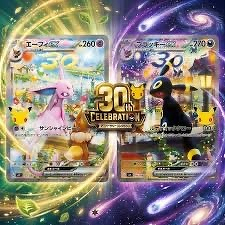
I absolutely love these leaked promos for the Pokémon 30th anniversary, especially that Umbreon. But not going to lie, I worry about their price.
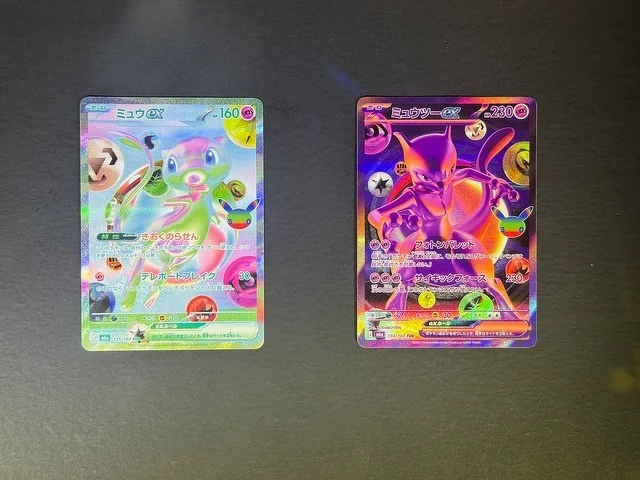
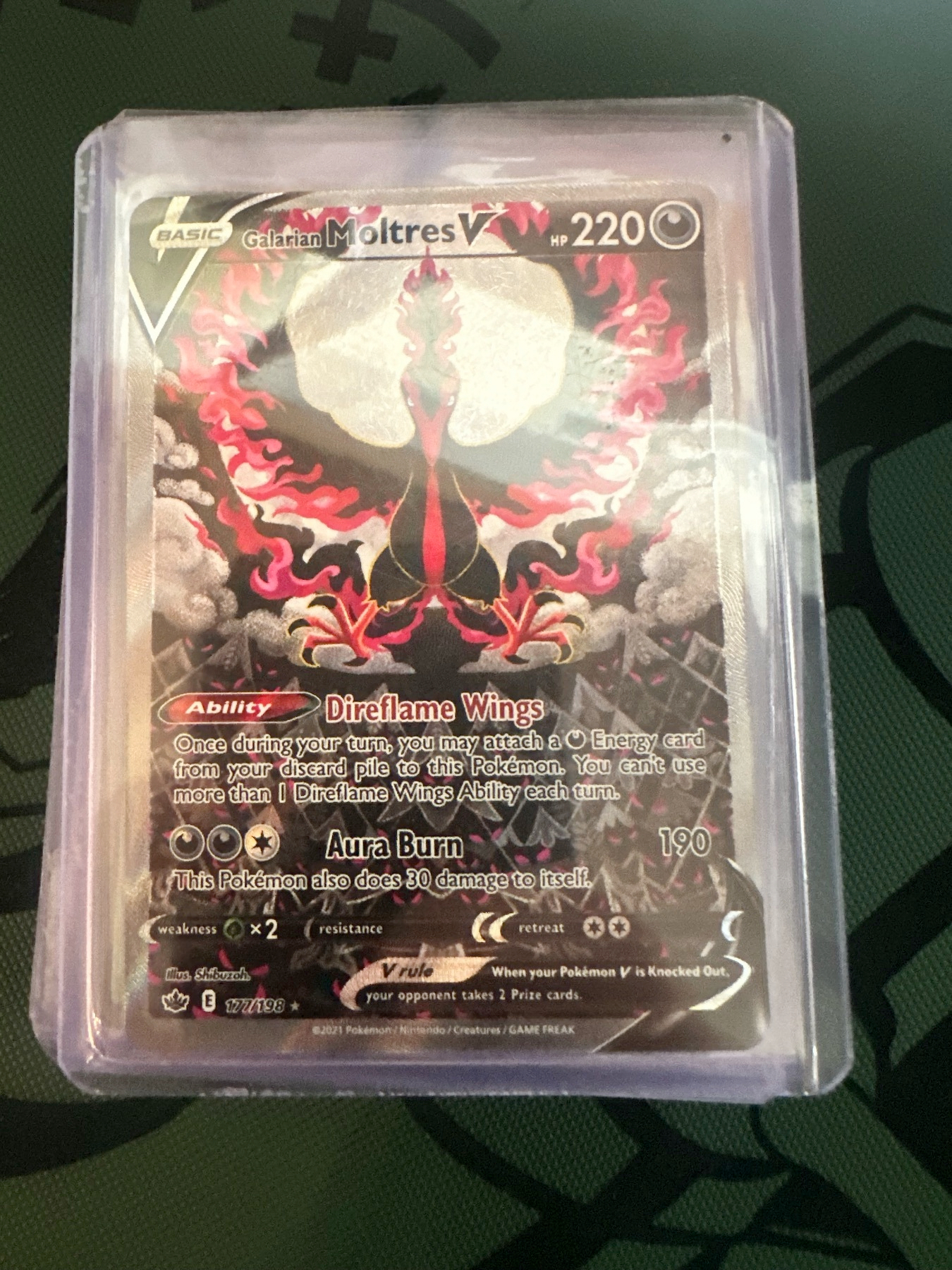
Newest addition to the binder.
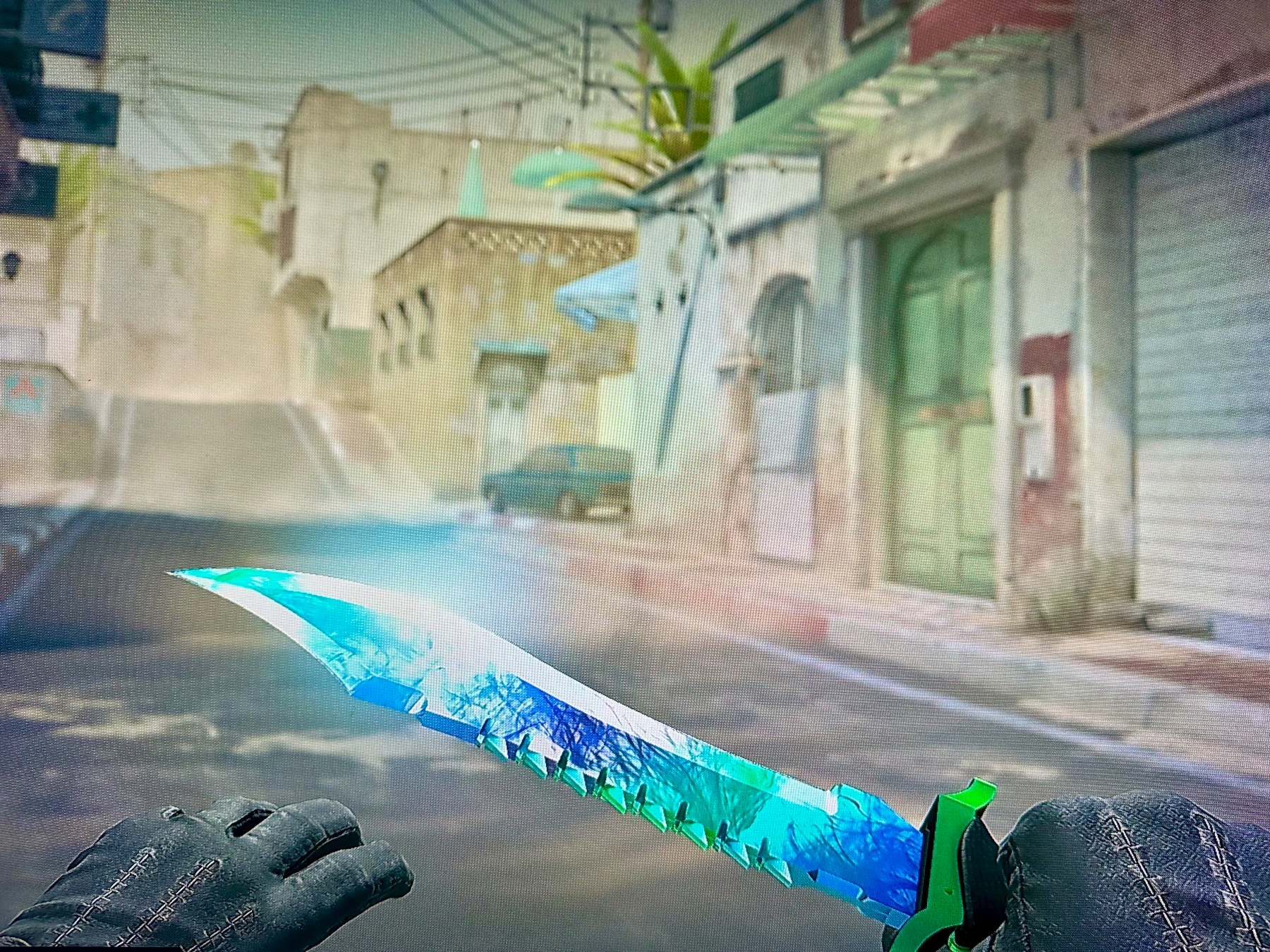
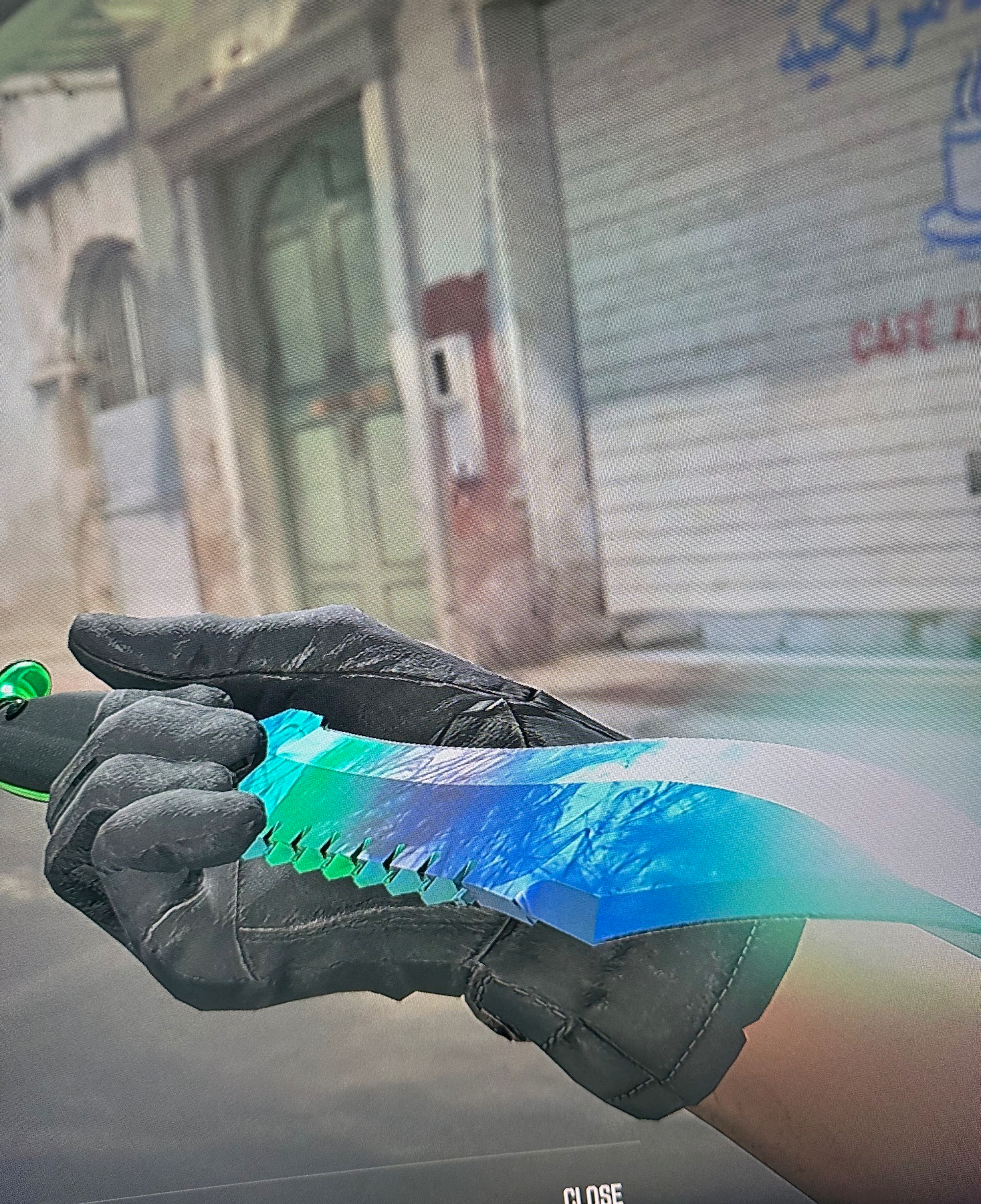
Got my first knife in CS2, a Bowie Knife Gamma Doppler phase 1.
Why I Am Taking A Break From Clash Royale
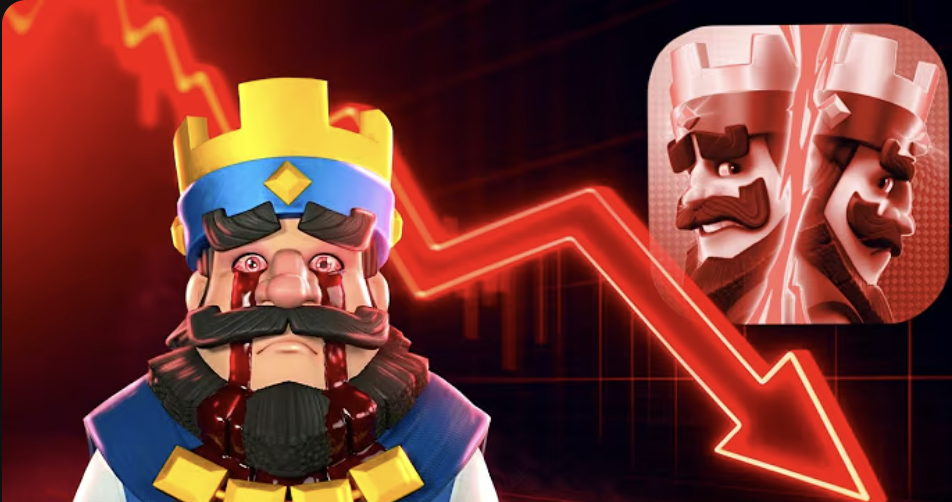
To start, Clash Royale is a quite popular mobile game made by the company, [Supercell](https://en.wikipedia.org/wiki/Supercell_(company). To sum the game up in a few sentences for those who haven’t played, it is a high strategy game where you and an opponent use cards to fight each other, managing your elixir and the cards that you have in your hand. I have been playing this game for a total of 6 years, going through ups and downs in popularity, good and bad updates, and all different kinds of META’s(most effective tactics available). I have stayed loyal to the game like so many others, and I feel that the game is not keeping its side of this bargain. By taking a break, I mean not spending any money, not playing any normal games, and not playing any ranked games, though I will still play games with friends and will keep up with what is happening with the game. Now I want to zoom in on why I am taking a break.
What Is Expected Of A Game
As I stated earlier, I have stayed loyal to the game for quite a long time, and I just don’t think Supercell is holding their end of the deal. Now I want to define loyalty for a game. I would say it is the obligation for the game to stay fun for all who play (F2P/P2W), for the company to actively listen to the community, and finally, for the game not to go into a pure money-hungry mode. Now, while I think it is unfair for somebody who plays a game to always expect all of these to be met perfectly 100% of the time is unreasonable, I would say it is reasonable to expect 2/3 of these most of the time(As long as it’s an easy change for the company). Would you agree? So now let me tell you how Clash Royale violates everyone right now.
F2P/P2W
One, the game is not fun for F2P players. The matches are not based on card levels, which means somebody with drastically weaker cards can match into a battle and get no leveling, so they cannot win. This means that F2P players can’t get any higher in the game and are losing 80% of their matches; this is not fun. Games like Clash Royale hold a responsibility to make sure that it is not mandatory to spend money on their game. It should be fun and reasonable for everyone. I will hold up my end of the deal and give an easy way to fix this. Make players with equal-level cards fight each other. This would be a very easy fix that would make the game way more fun and balanced for EVERYONE.
Community
Two, Clash Royale simply doesn’t care about the people who play the game. Many games actively implement things that the communities want, most notably Larian Studios, Hello Games, and Arrowhead Game Studios. Clash Royale has consistently shown no effort to interact or listen to the community, ever really, but they have definitely done better than what is happening right now. It is like they are looking at what all of the committed, hardcore player base want and then doing the EXACT OPPOSITE. In the past 8 months, almost every update they have released has gone against the community, and the worst part is that they say it’s for the community. They say “It will help progression” or “make it easier for lower-level players,” but if they ever actually played the game, they would see that all of these are the exact opposite. In total, I think they have released 20 big changes into the game, and 2 of them followed what the community wanted. To me, this really bugs me for two reasons: one being that these people are the most committed to your game, and you continually say screw you to them, and two, when they lie and say “it will help the community,” it doesn’t. It hurts the progression and makes the game less enjoyable. Now the fix? Actually, listen, they have one of the biggest communities, especially with how popular the game has gotten; there are so many good ideas. Even just implementing a few would go a long way.
Money Hungry
Three, Clash Royale has made it nearly impossible for anyone who doesn’t want to spend money. I fully support both ways of not spending money and spending money. I myself have spent a good amount of money on Clash Royale. It makes you progress much faster, and if you really like the game, I think it is a good use of money. But all that said, I do think it should be a choice and that the game can be playable and some fun if you aren’t spending money. If you just go on Reddit, Youtube and other apps, you will be able to see how if you are free to play the game becomes almost unplayable because a lot of Clash players do spend some amount of money and because they don’t matchmake based on level most of the players you go against do pay so you are stuck in a loop were you either have to pay to just have a chance at winning or constantly loose. I have a direct example, as one of my friends is F2P. He is a very good player, sometimes beating me. I am the literal top rank(UC,12K) in the game, and he is like half of the way there. The sole reason is that he hasn’t spent money on the game. Clash Royale can fix this by giving more rewards to F2P people, or only matching F2P with equal-level cards.
All of the reasons I gave are how Clash Royale has continuously disappointed and does not hold up to its end on player loyalty. And now I will share specific evidence points on where Clash Royale went wrong and exactly how and why the game is suffering.
Timeline
In 2016, the game was released, it became massively popular, and the game, while having some bugs and unbalancing, was at an all-time best. The game slowly died off after that. Many loyal players stayed, but most of the hype died down. For the next two years, the game lies dormant and waiting until Clash Royale unveils the new mechanic, Champions. These are a new type of card that are super cool and good. This brings some life into the game until they release level 15. The game should have died here; any popularity it had gained was stripped, and most players left. Supercell left it for dead, and it would have stayed there if it weren’t for Jynxzi. Now, all of this information is background info to where we currently are. This is where I will explain the meat of what is wrong with Clash Royale.
Jynxzi, I’m sure many people have heard of him. He was probably the best R6 player in the world before taking a break from the game. He got massively popular in 2024, right before he quit R6, for his viral raging moments and for being a nice and funny guy. He, after quitting R6, decides to start playing one of his childhood favorite games, Clash Royale. This is where the revival begins. Overnight, the player base 10X’s with all of the fans hopping online.
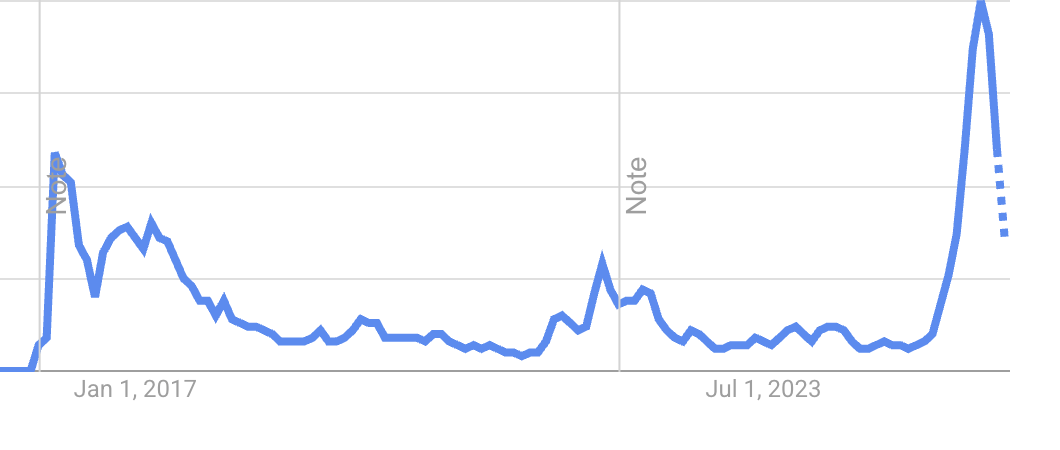
You can see on the graph that almost immediately, there is a huge spike in searches and downloads. Clash Royale is relevant again. Now this is great for everybody, we start to see a ton of new content made about the game, and there are fun collab streams between Jynxzi and Ryley(one of the best players in the space). Clash Royale is given everything on a silver plate, and what do they do? They add broken evos to the game that you have to buy, then three days later, they nerf them so they are never playable again. They make the game more P2W. And while the new players are good, it also creates a whole new problem. These people are part of the fad, they are not looking to become active players in the community, they just want to play while Jynxzi plays and then they will leave later, This means they spend a ton of money and make decks that are no fun to play against because they don’t really care about the game; they more care about the fad. While all of this was manageable about one and a half months ago, Clash Royale repeated history. They released Heroes=Champions, and worst of all, Level 16=Level 15. They had done this exact thing two years earlier, and it almost killed their game, but instead of learning, they go ahead and do it. Immediately after Jynxzi, who was just playing because it was fun, stopped playing because it simply wasn’t fun, this means half of the playerbase follows him off to the next fad. And because of the new cards, the META becomes broken. Clash Royale has consistently shown they have no idea how to balance cards, and these were no different, as so many toxic and annoying to play against decks come back to be competitively viable. The entire game goes sideways and becomes not fun.
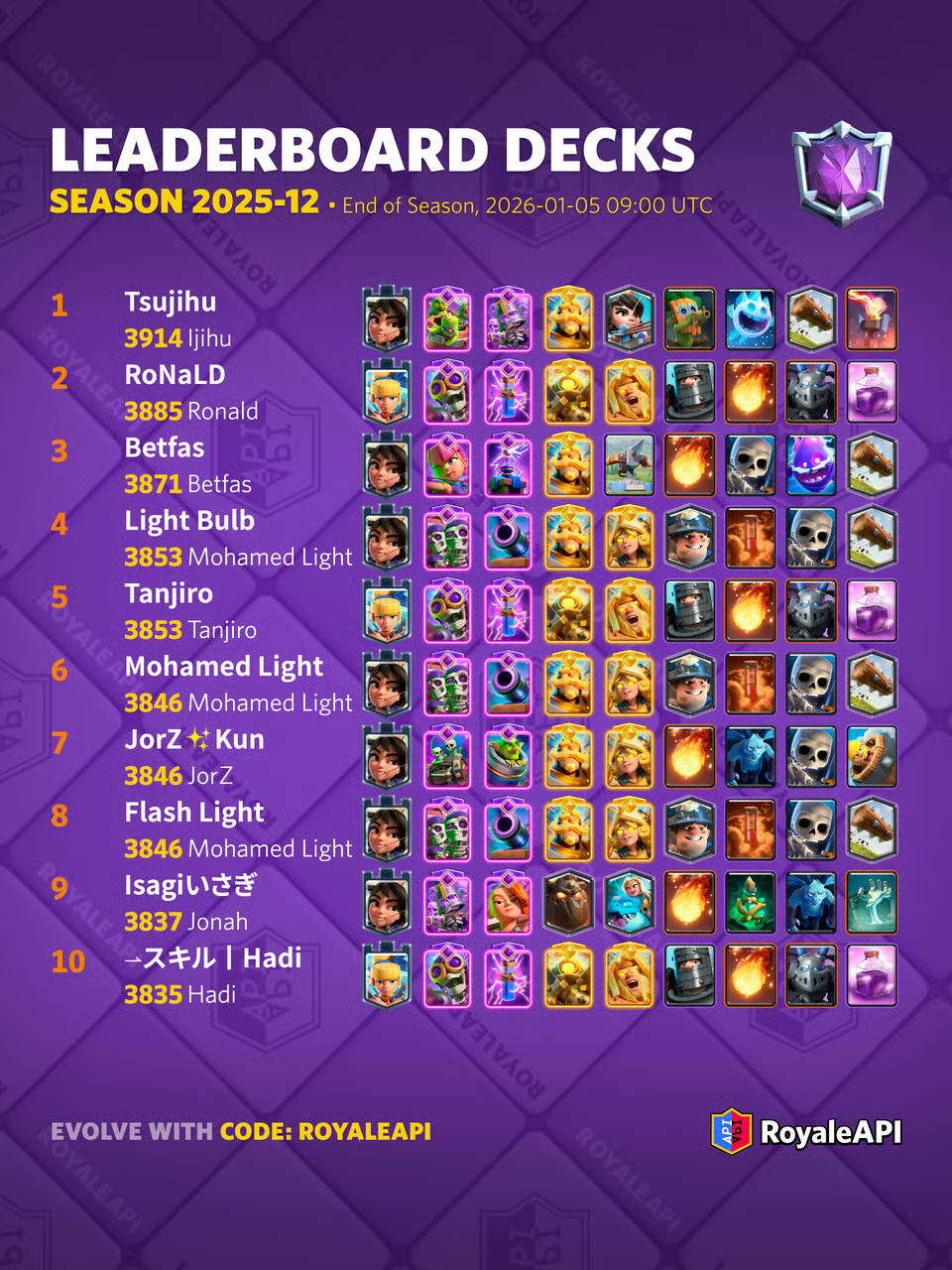
You can see even in this highest form of competition, almost every deck is the same due to unbalanced cards
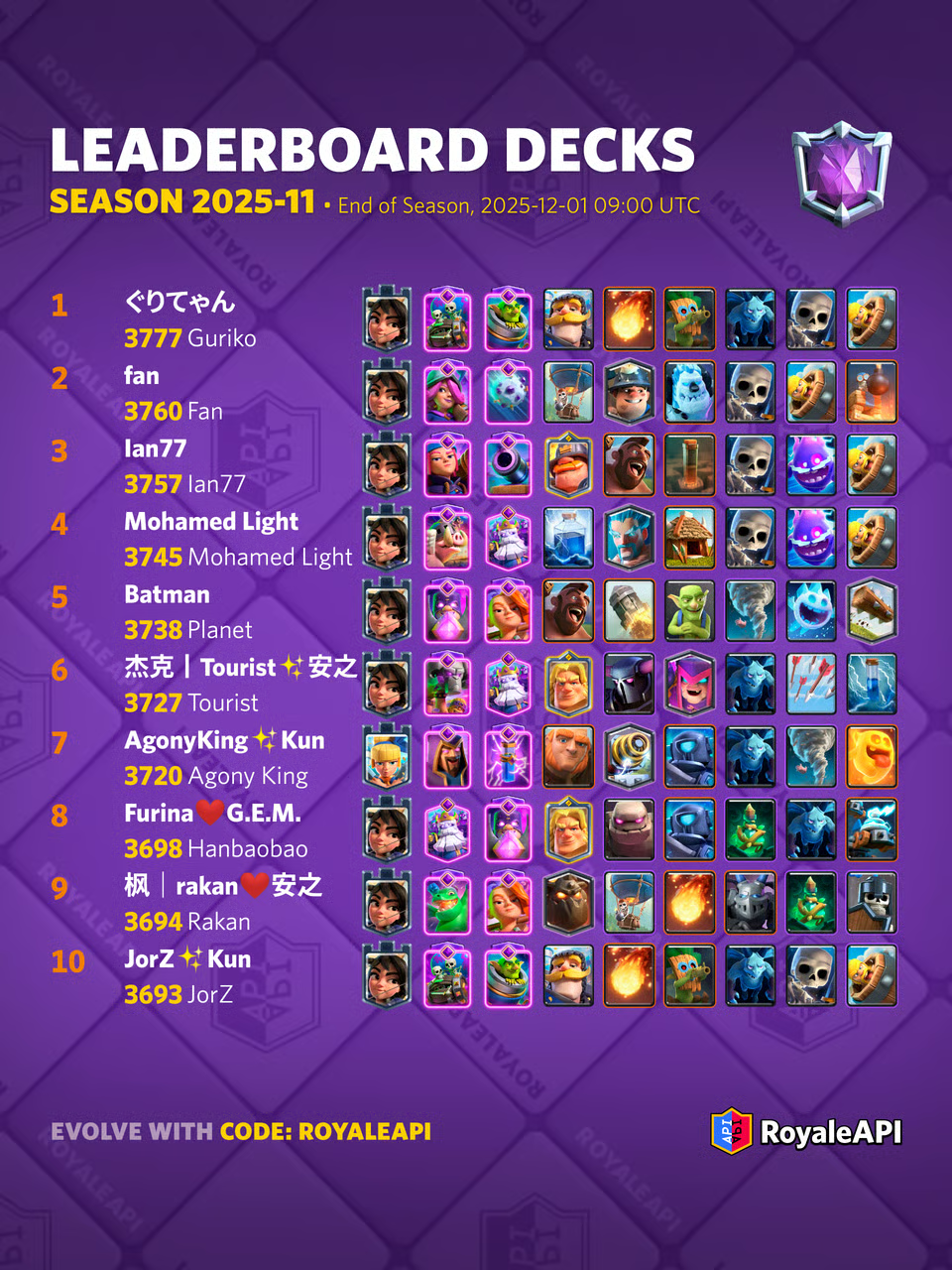
You can see how bad it got over just a month. There is a lot of variety in these decks, and then it all goes away.
Now we are caught up to the current date. Everyone is playing stupid, toxic decks, Supercell doesn’t care, and everyone’s mad. Now I want to come to the next piece of my article. How Supercell responded.
How Supercell Responds
This is one of the most frustrating things for me, as Supercell makes no effort to make anything better; instead, they silence the players. many YouTubers are getting mass copyright struck including a big OG streamer. If you say something bad about the new update, you may get copyright banned. Instead of owning up to their mistake, they say that it is good for the players and then go ahead and silence anyone who says otherwise. Now, to give some credit to supercell this may not be all their fault. In 2016, they were bought out by Tencent, a large Chinese gaming company that is known for doing bad things to games. But regardless, they still should try to do some good things for the game.
All of what I have said should give you an idea of how SuperCell is not being good to their players, and then a timeline of where they have gone wrong. I genuinely hope that they will fix their game soon, as I really enjoy playing it, but I would also encourage all Clash Royale players to stop playing or at least stop buying things, as this might be the only way for them to make any change in their game. If nothing inspires any change in the company, I’m not sure what our next steps should be as a player base, but I hope this sheds some light on how and why Supercell as a company isn’t great.
Credits:
- ARCTO - General information on the topic/Front picture
- Google Trends - for the search graph
- Various Reditors - specific links/info
- Wikipedia - Most hyperlinks on specific companies or people.
- Royal API - Player deck images and player survey results
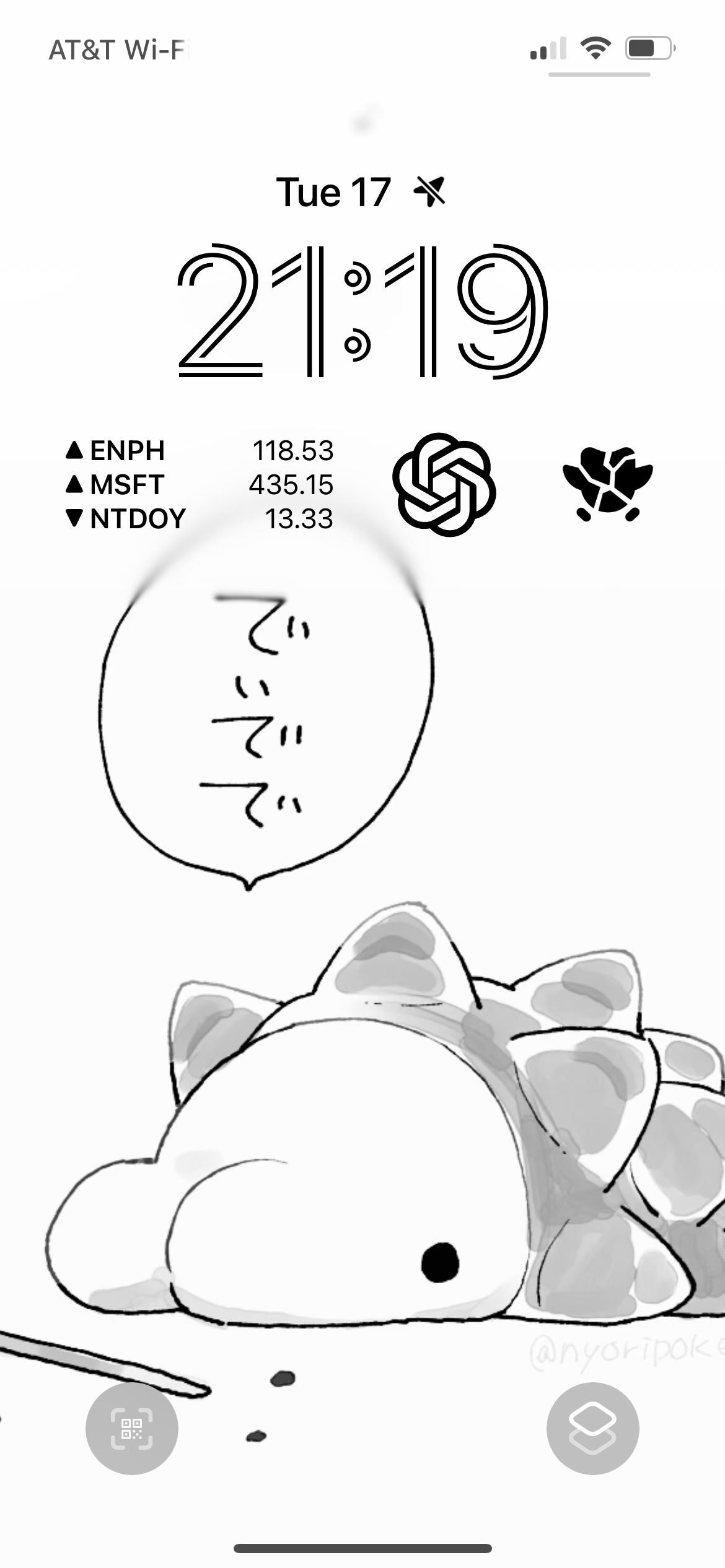
These are my new screens for IOS18! Wanted this for a while

Why I Like Pokemon Arceus
I love Pokémon, I play Pokémon Go I have many of the video games, and I collect and play the TCG games. The older Pokémon games are amazing games with creative storylines and good Pokémon but not know. I’ve noticed a general trend since the Nintendo Switch came out that we get worse and worse video games every year(Scarlet and Violet being the worst). The only Pokémon game on the switch that I have fully fallen in love with I Pokémon Arceus.

Pokémon Arceus is not one of the main Pokémon games but still my favorite one on the switch. The game has a good storyline, a cool landscape, and good NPC’s. The shiny chances in the game are greatly increased so you can catch more shines. You play the game and there is also a side part that you do. You work for this company and complete the quests that they give you. You work your way up the company until you finally get to the top of the company. Now let’s move on to why I really like it.
Some background on the games is it takes place very early before many things have happened. The Pokéball has just been invented and has a different texture. Why it’s called Arceus is because Arceus is kind of the god in Pokémon. Arceus created all of the Pokémon. So this game is the first pokémon and the first civilization and how everything got created.
The first thing that I like is that you don’t have to do a lot of mandatory battles. In any Pokémon game when you go to catch a Pokémon you have to battle it, get its health down, then throw the pokéball and try to catch it. In Pokémon Arceus you throw a pokéball and catch it that way which I think is more fun and saves a lot of time. Pokemon also can attack you so make sure to be carfule around them. Next I always can’t find shinies in normal games unless you grind it, in Pokemon Arceus they spawn much more commonly which I think it is more fun since you don’t have to spend a lot of time in the games.
I also liked the land in the game. There are a lore of trees and hidden areas and caves to explore. There are also lakes that you can explore. There are different areas but they are not routes they are areas. There are 5 large areas each with their own climate and bosses. Like older Pokémon games Arceus has Pokémon that give you the ability to fly or teleport. The bosses in the game are called noble Pokémon and they are wrapped in this shiny gold texture which not only looks cool but the boss battles are also completely changed for the better.
The final things I like are you can craft different items in sequence with buying them which is just a cool concept for a Pokémon game. There are some new Pokémon that you can catch in the game.
Those are all the unique things that I like about Pokémon Arceus and why I think it stands apart from some of the other games. I hoped you enjoyed, thanks for reading!
f
Spikes, Spike Balls, Ect. Playdate Pulp
This is my final blog post on my Playdate Pulp game. This finishes the game by looking at all of the small things that made the game more interesting. So first we had the spike ball which was a ball with spikes on the edge. They will continue in a straight line until they hit a wall in then they switch directions. For this, you need four different spike balls that each go one way. Now for the code.
You first get its X and Y coordinates then depending on which way it’s going plus or minus one of its X and Y. This tells us what block it’s going to go to next. Now we need to make sure when it hits a wall it will go the other way instead of going into the wall. To do this create a variable called solid block then make it equal to solid and then the spike balls next X and Y’s. What this does is it will return 1 if the target is solid and 0 if it is not solid. Now we create an if event saying that if solid target is equal to one then swap for the variable spike ball to the opposite spike ball so if it’s spike ball up the variable changes to spike ball down. Now it’s time to move the spike ball since the next block is not solid. First, tell it to swap white then tell the X and Y variables to swap spike balls which makes sure if the next block is solid we swap to the other spike ball. The last thing to do is make sure the spike ball damages the player. To do this whenever the spike ball moves check if its X and Y’s are equal to the player if yes damage the player. You can also have it so that when the player moves it can check if the X and Ys are equal if you want to make it so the player can’t move onto the spike balls without getting damaged. Next is the spikes.
The Spikes are a very simple thing to code. All you have to do is to make two designs one of the spikes retracted and one of the spikes protracted. Once done just tell it that whenever it updates swap to the other spike, so if the spikes are retracted it will protract the spike. The only other thing is that you need to do damage. To do this just make an emit every time your player moves then on this emit the spikes will check if they are protracted and then if the players X and Y are equal to it. If so deal damage otherwise do nothing. Next is potions.
The potions are just a simple way to heal. I made them heal two hearts but you can do however many you want. I had it so when you pick up the potions it will ask you if you want to store it, or if you want to use it right then. If you store it you just add one to a variable then when you open storage and use it minus one from the variable. If they choose to use i then just tell health to plus 4 and you’re good. Our next thing is jump pads and Pressure Plates.
The pressure plates & jump pads. You can use these in a lot of different ways. I made the pressure plate be something that you step on and then a single block will change maybe revealing a path or something. I did this by having a blockX and blockY variable then if it is being used the level script will change the variable. Then when it is stepped on it tells those two variables to swap to white. The jump pad makes the player jump over a certain block. I did this by having two other variables that a levels script will change then on collect it uses the goto function will tell the player to go to a certain place. The final mechanic is turrets and their projectiles.
Thank you for looking at all of my posts. I hope this has helped you or you enjoyed reading.
Heart System In Playdate Pulp
This post is about how I made my health system in Playdate Pulp. So I first made a design for the hearts which was just a full heart a half heart and an empty heart. The event declaration is on draw, draw requests that a certain tile change to another tile. You can set a max health which in my game is 20. Then there is a heart count variable which starts at zero. Now here the actual code is.
All of it is contained in a while event, and the idea is that we want this while event to continue drawing hearts until the hearts are equal to the amount of health we want. So while the heart count which is zero is less than twenty add two to the heart count (that would be a full heart no two hearts since each number in max health is half a heart). This loop will run 2,4…18,20 till it has made 20 half hearts. now we create a variable heart swap which is equal to the empty heart design. Now we want to be able to display the hearts on the top of the screen.
We can calculate this by dividing heart count by two but that would mess up our heart count and it would be faulty so we make a new variable heartX and make it equal to heart count, then divide that by two. We tell heartX,0 to swap to heart swap so now we are drawing X amount of empty hearts. now we need to make them full and half hearts.
We do this by making an if event, if health>heart count then our variable from before heart swap is equal to a full heart. This is fine except if we have a half heart our health will be equal to three and our heart count is equal to two so it still works and it draws a full heart. To make this work we create a new variable half heart. Half heart is = to our health. Then we compare the half heart with heart count then inside the if we minus one from half heart. If half heart is now equal to heart count we know that it should have been a half heart and set heart swap to a half heart otherwise we continue and make it a full heart. That is the health system, now how you take damage.
I just made it a simple function when something damages you, in their code they say tell event.player to do the damage function and they set the damage to whatever they want it to be. When the function on the player runs it first checks if a shield was used(In my game there is a shield) if not it subtracts the damage from your health, makes a sound, and shakes the screen. It finally checks if you have more than zero health and if you do it says “You died!” and then sends you back to the start. The only other thing that I did was make sure you could only get damaged once every half second so you wouldn’t get camped by some glitched enemy.
Thank You for reading!